
🏃♂️ Calf Injuries in Runners
The Soleus: The Muscle Most Runners Forget to Train
If you run regularly, there’s a good chance you’ve felt that sudden calf “twinge” that makes you stop mid-run.
Calf strains are surprisingly common—even in experienced recreational runners—and they can disrupt training for days or weeks if not addressed early.
What many runners don’t realise is that most calf injuries occur in the soleus, the deeper calf muscle that quietly works hard every step you take—especially when your knee is bent during walking or running.
Gastrocnemius vs Soleus: Who Does What?
Your calf is made up of two main muscles that share the workload:
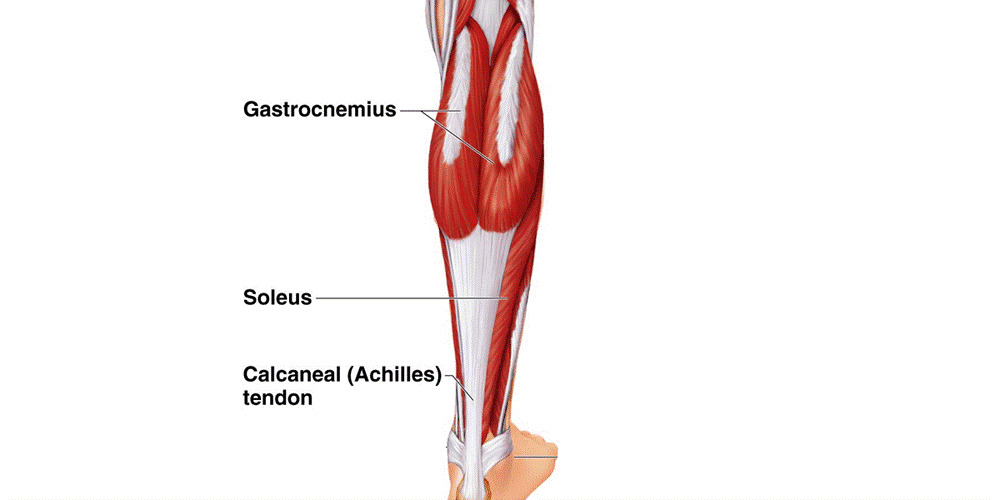
Gastrocnemius
The visible “bulging” calf muscle that crosses both the knee and ankle.
Most active when the knee is straight—think sprinting, jumping, or standing calf raises.
Soleus
Sits underneath the gastrocnemius and only crosses the ankle.
It works hardest when the knee is bent—walking, jogging, steady running, and hills.
Key point: During normal running the soleus carries around 60–70% of the load, particularly during steady running speeds or uphill efforts.
Why This Matters for Runners
Many traditional calf exercises—like standing calf raises—mainly train the gastrocnemius because the knee stays straight.
The soleus, which does most of the repetitive work during running, often gets neglected. That means even runners with “strong calves” can still develop calf tightness or strains.
Who’s at Higher Risk?
• Previous leg injuries – ankle, calf, or knee issues
• Age – what we sometimes jokingly call “middle-aged calf syndrome”. As we get older the calf–Achilles system loses a bit of its ability to absorb load efficiently
• Sudden training spikes – big increases in mileage, hill running, or faster sessions
How to Keep Your Calves Strong and Injury-Free
1️⃣ Strengthen the Soleus (Bent-Knee Calf Work)
• Seated calf raises – 4 × 6–8 reps, slow and controlled
• Isometric holds – 3–4 × 30–45 seconds
• Bent-knee calf raises off a step once strength improves
• Plyometrics – quick explosive movements such as skipping
Tip: Start with double-leg calf raises, then progress to single-leg work as strength improves.
And importantly — keep some of this work in your program during training, not just before events.
2️⃣ Monitor how your Calf is feeling
• Pay attention to localized soreness or stiffness, particularly after increasing training
• Use single-leg calf raises to check for side-to-side differences
• If discomfort appears, adjust training early—cycling or swimming can help maintain fitness while offloading the calf
3️⃣ Manage Your Running Load
• Avoid sudden spikes in mileage or intensity
• Spread hills, speed sessions, and long runs across the week
• Include single-leg strength work in the gym to balance left/right loading
Want to Learn More?
We covered calf injuries in more detail in our Calf Injury Special blog, including common causes, early warning signs, and step-by-step rehab exercises.
Quick Calf Injury Prevention Tips
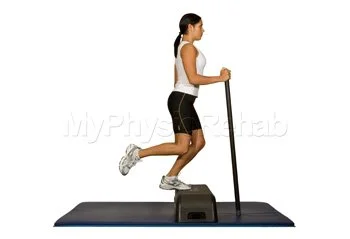
• Include bent-knee calf strengthening 2–3× per week
• Use single-leg calf raises to check for imbalances
• Increase running load gradually
• Don’t ignore early calf tightness after runs
Bottom Line
The soleus is the unsung hero of your calves, doing most of the work when you walk or run. Training it properly—and managing your running load—can go a long way toward keeping you running consistently and injury-free.
