
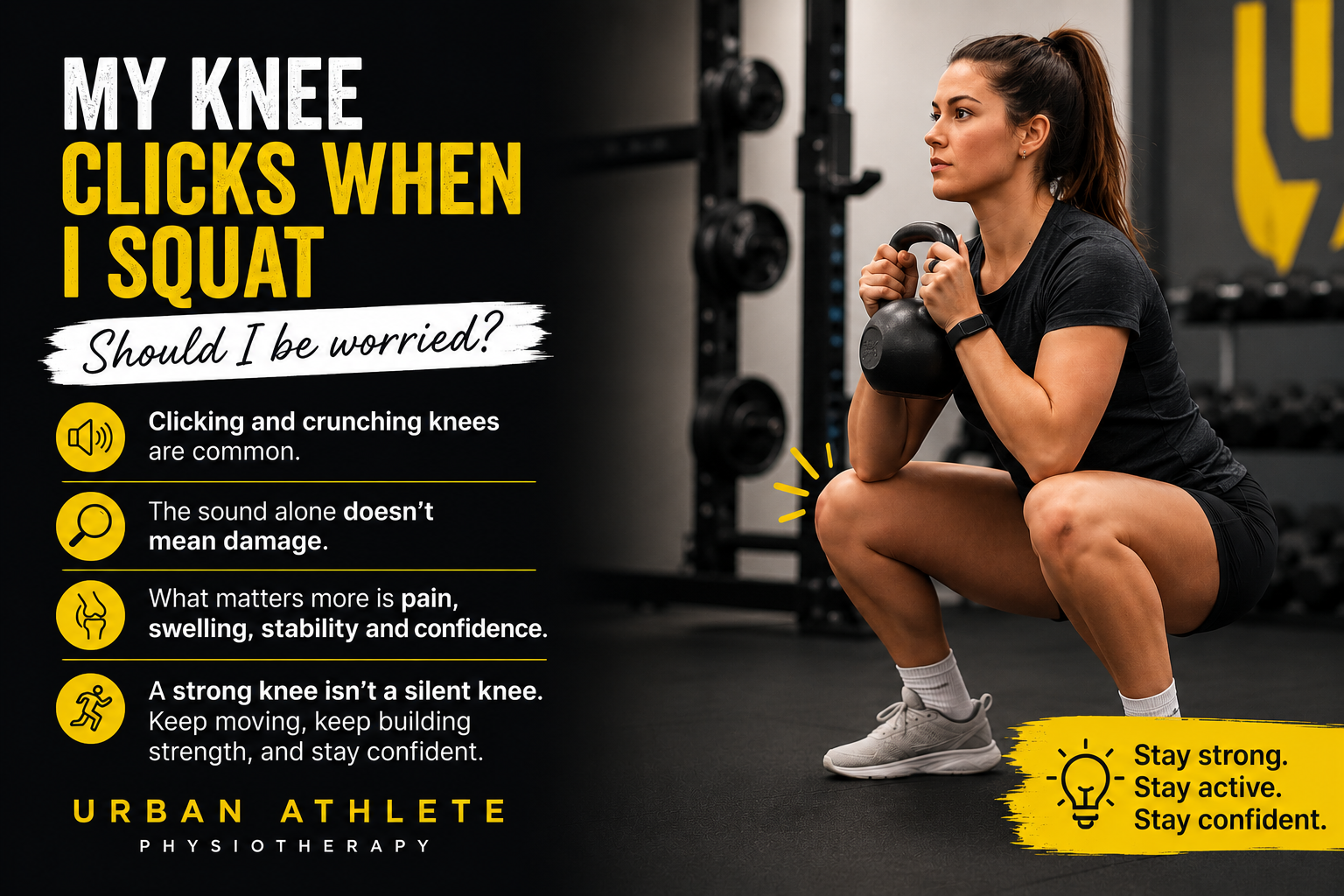
My Knee Clicks When I Squat — Should I Be Worried?
Does your knee click, crunch or pop when you squat? You're not alone—and in most cases, those noises aren't a sign that something is wrong. Learn why knees make noise, when it's completely normal, and the warning signs that mean it's worth getting checked. The goal isn't a silent knee—it's a strong, confident one that keeps you doing what you love.
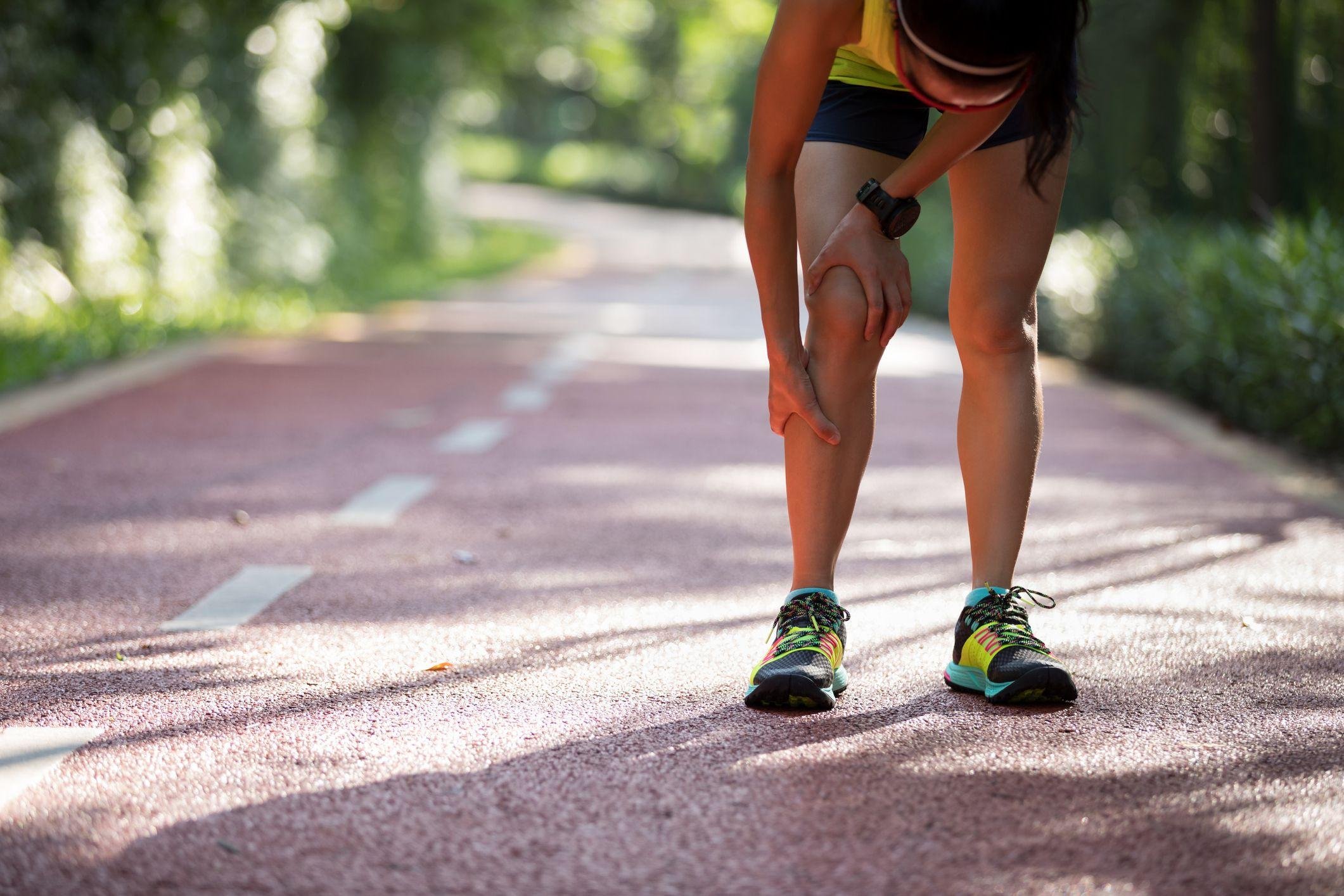
Bone Stress Injuries in Runners: Why They Develop Gradually (And How to Spot Them Early)
Bone stress injuries don't happen overnight. They develop gradually when training demands outpace your body's ability to recover and adapt. Learn the early warning signs, why these injuries often appear weeks after a change in training, and what you can do to reduce your risk. Whether you're training for your first 10K or your next marathon, recognising the signs early could keep you running.
Young Joints, Long Lives: Rethinking Osteoarthritis. Guest Expert Series | Dr Daniel O’Brien
Osteoarthritis isn't just an older person's condition—and it doesn't automatically mean surgery. In this month's Guest Expert Series, Dr Daniel O'Brien, Associate Professor in Physiotherapy at AUT, shares his own experience of being diagnosed with osteoarthritis at just 25, along with the latest evidence on how movement, strength and good rehabilitation can help keep your joints healthy for life.

Snow season is here... is your body ready for it?
Snow season is here—but is your body ready for it? Whether you're hitting the slopes at Ruapehu, Cardrona or The Remarkables, skiing and snowboarding place unique demands on your body that regular gym sessions or running don't always prepare you for. A little preparation before your trip can help reduce injury risk, improve performance and keep you enjoying every run from first chair to last. Read our latest blog for simple ways to get ski-ready this winter.

Honouring Matariki: reflection, movement and winter wellbeing
Matariki is a time to reflect, reconnect and reset. Discover how the principles of the Māori New Year align with physical wellbeing, recovery, injury prevention and preparing your body for winter activities.
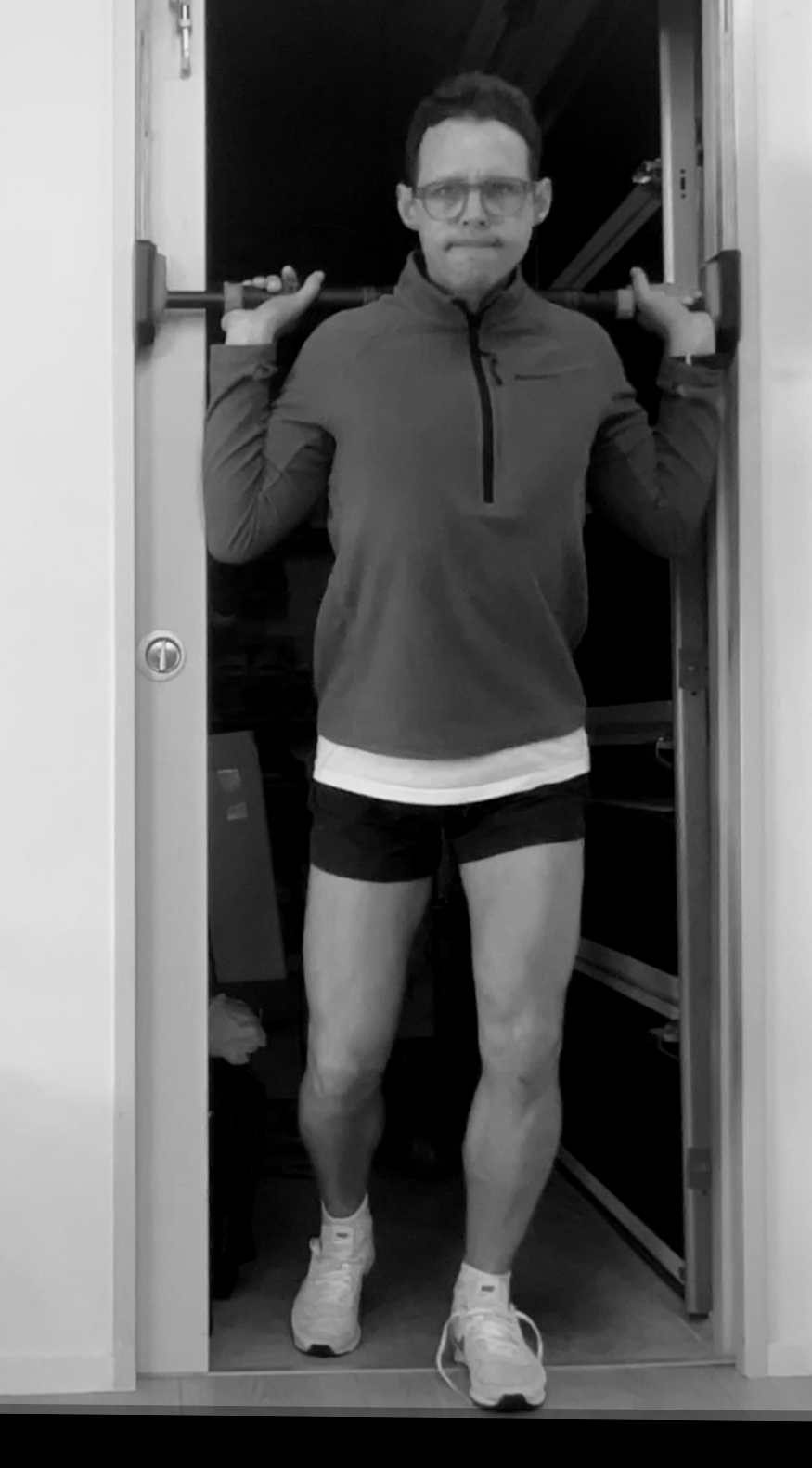
Guest Blog by our running expert Paul White
Think you need a fully equipped gym to build running strength? Think again. In this guest blog, running expert Paul White explores how runners can create high-intensity strength adaptations at home using overcoming isometrics and a simple doorway pull-up bar. Learn why single-leg loading matters, how isometric exercises can improve tendon resilience and force production, and practical ways to build running-specific strength without heavy equipment.
Men’s Health Week: How’s Your Health Score?
Men's Health Week is the perfect opportunity to pause and assess your health. While many men track their training, fitness, and performance, important health markers like blood pressure, cholesterol, stress levels, and preventative screenings often get overlooked. Discover why small actions today can have a major impact on your future health and learn how the free "What's Your Score?" health assessment can help you get started.
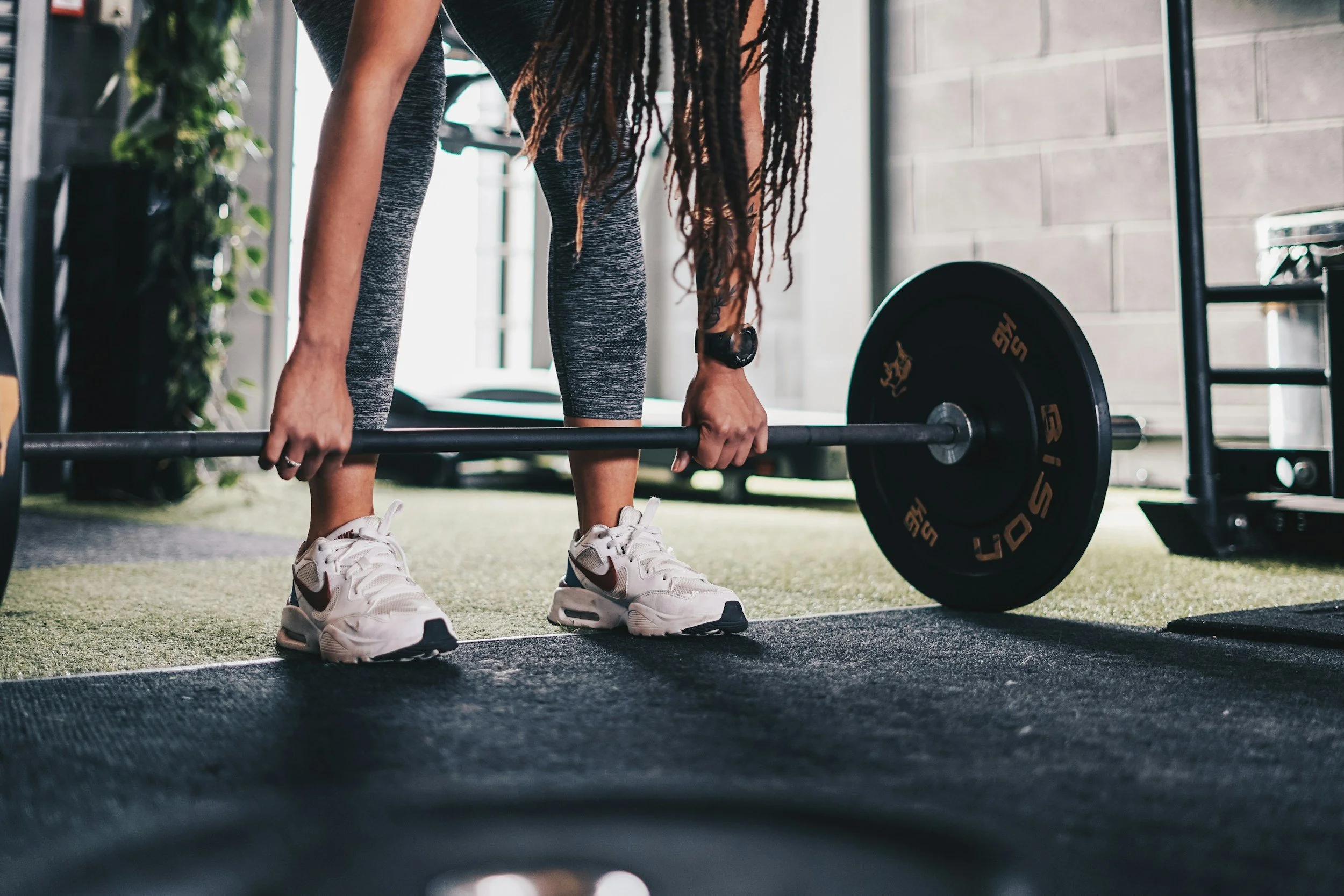
Free Weights vs Machines: Which Is Better for Strength, Injury Recovery and Long-Term Results?
Should you choose free weights or machines for strength training? Despite ongoing gym debates, research shows both can be highly effective for building strength and muscle. In this article, we explore the differences between machine-based and free-weight training, when each is most useful, and why the best approach for long-term results and injury recovery often involves using both.
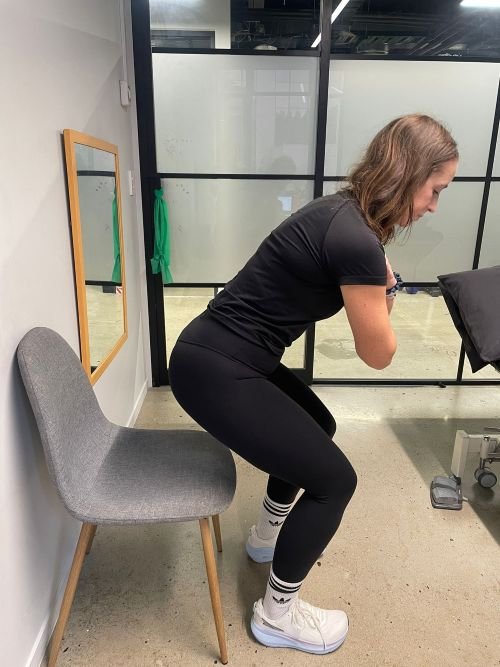
💪 Strength Might Be the Most Important Health Marker You’re Not Measuring
What if a simple strength test could tell you more about your long-term health than your running pace or step count? Research suggests grip strength and a quick sit-to-stand test are powerful indicators of overall physical resilience, function, and healthy ageing.
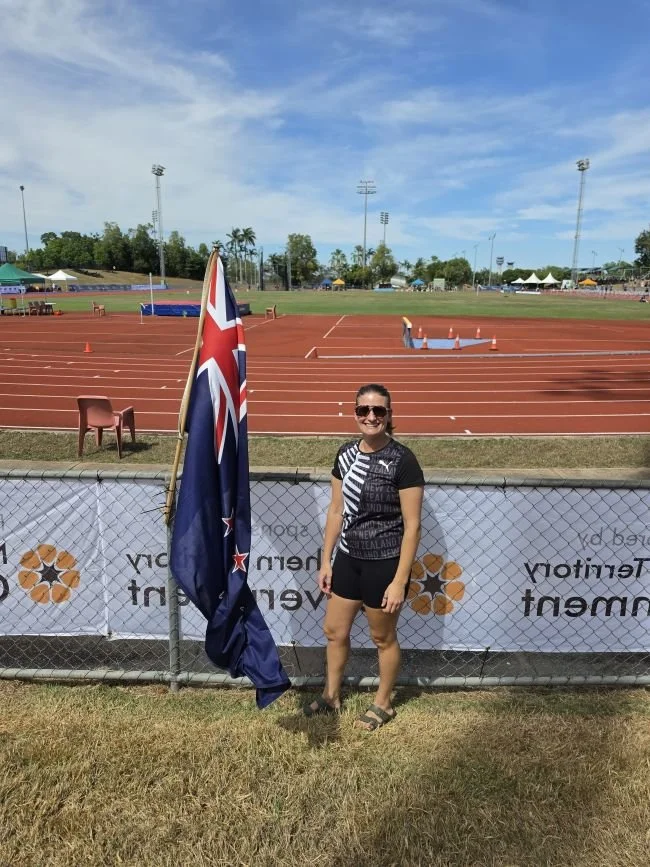
🌍 Clinic Update – Team on Tour (and on the Run)
A quick behind-the-scenes look at what a couple of the team have been up to outside the clinic recently — from travelling with Athletics NZ at the Oceania Championships to racing a half marathon in Cape Town, South Africa.
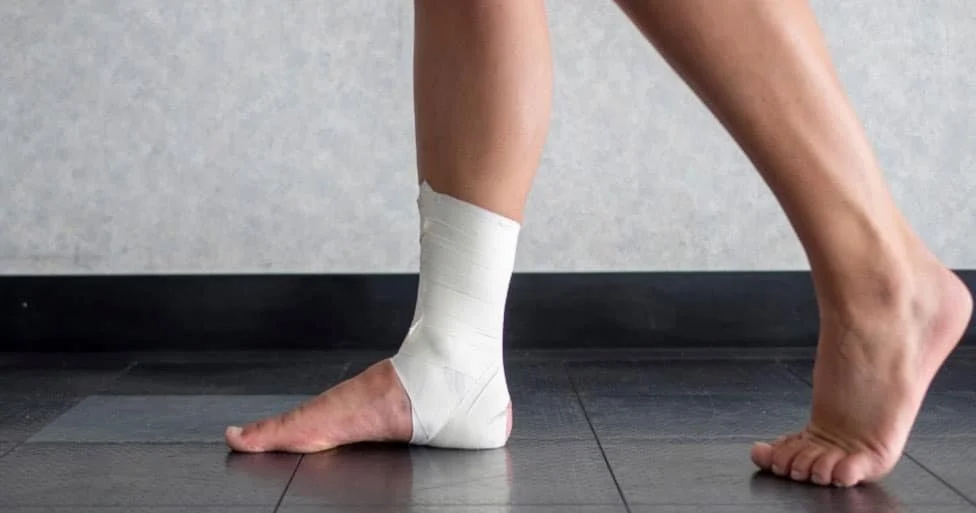
Rolled your ankle? Here’s what actually helps recovery (and what most people get wrong)
Rolled your ankle and not sure what to do next? This guide explains what to do early, when to start loading, and how to return to training safely.
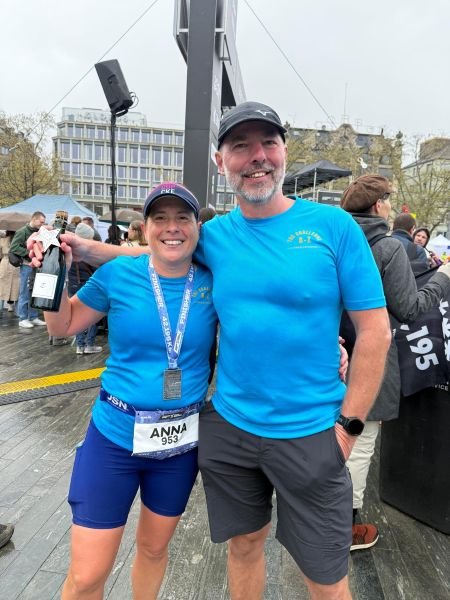
🏃♂️ From A to Z: 26 Marathons, One Long Game
Running 26 marathons—one for every letter of the alphabet—is impressive. But the real value lies in the lessons learned along the way. From understanding your body to prioritising recovery and staying consistent, here are five practical takeaways that apply to any runner.

An Easter Boost? Chocolate Milk & Dark Chocolate for Muscle Recovery
A little indulgence this Easter might not be so bad after all. Chocolate milk offers a surprisingly effective mix of carbs, protein, and hydration to support muscle recovery after exercise, while dark chocolate brings antioxidant benefits. It’s not a magic fix—but paired with good nutrition and rest, it can play a helpful role in your recovery routine.

🏃♀️ Our Guide to the old side stitch
A sudden sharp pain under your ribs can turn an easy run into a struggle within seconds — the dreaded “side stitch.” While it feels intense, it’s usually harmless and more common than you think, especially in young or beginner runners.
The good news? Stitches aren’t random. They’re often linked to things like breathing patterns, posture, running intensity, and even what you’ve eaten beforehand. With a few simple tweaks — like improving breathing, easing into your pace, and timing meals better — you can dramatically reduce your chances of getting one.
Whether it’s your child heading into their first cross country race or you trying to enjoy a pain-free run, understanding the “why” behind a stitch is the first step to preventing it.
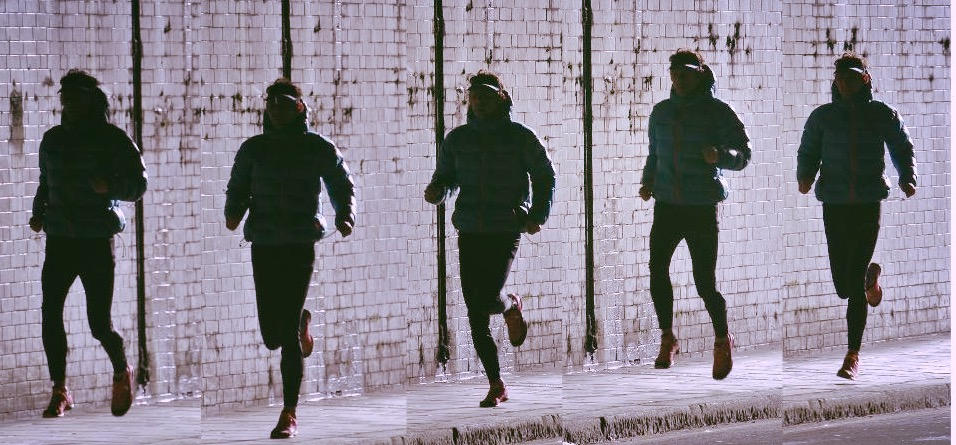
🏃♂️ Calf Injuries in Runners
Many runners experience a sudden calf “twinge” that stops a run in its tracks. While most people blame the visible calf muscle (the gastrocnemius), the real culprit is often the soleus—a deeper muscle that does the majority of the work during steady running.
Because traditional calf exercises mostly train the gastrocnemius, the soleus is frequently undertrained. This imbalance can increase the risk of calf tightness or strains, especially when training load increases.
By including bent-knee calf strengthening, monitoring soreness early, and managing running load, runners can significantly reduce their risk of calf injuries and stay consistent with training.
Can You Function Without an ACL? Lessons from the Winter Olympics
A ruptured ACL doesn’t automatically mean you can’t function. Watching Winter Olympic athletes raised fascinating questions about knee stability, rehab, and what’s actually possible after injury.
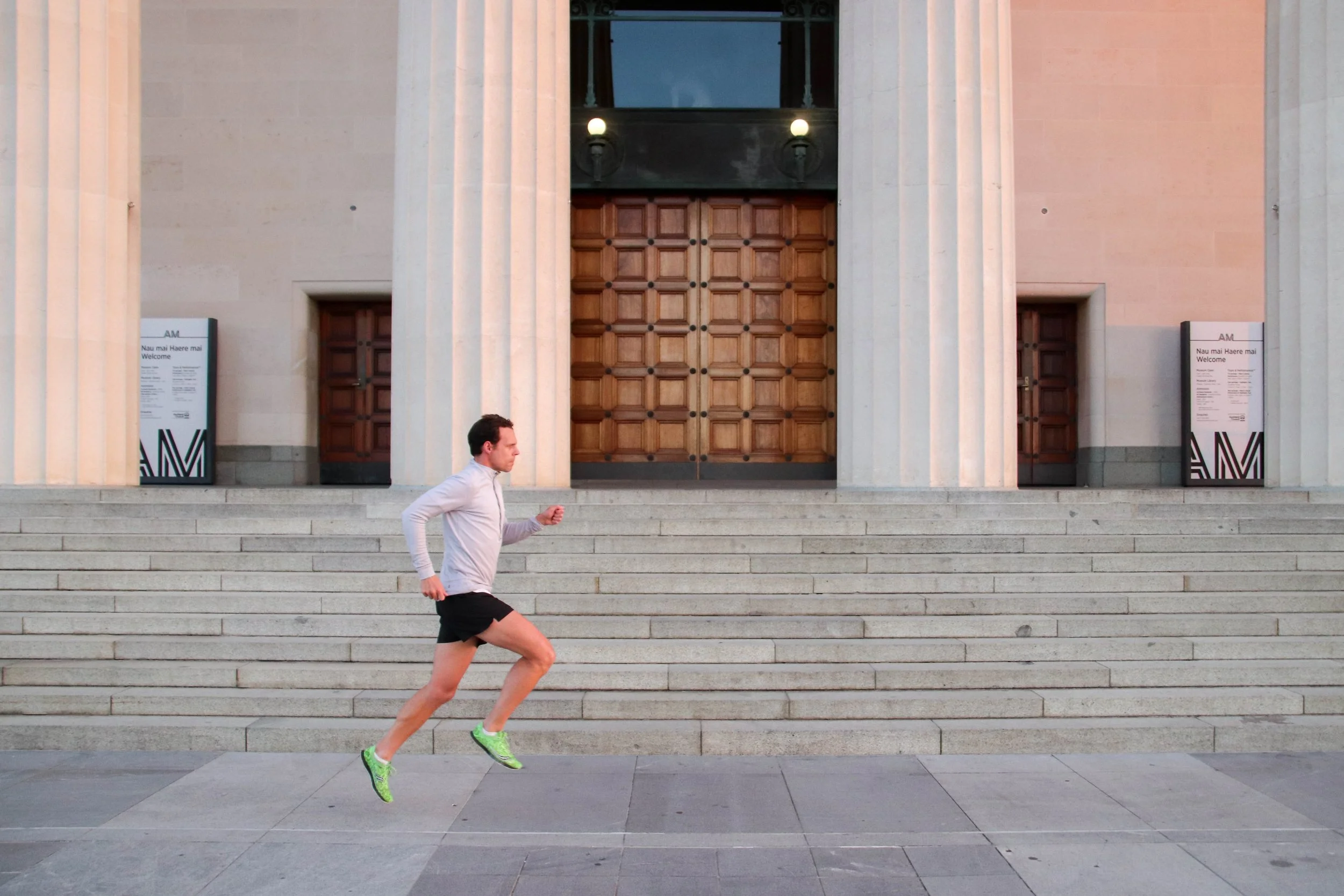
February special: Complete Running Assessment Package
Running is simple — staying injury-free isn’t. Our February Complete Running Assessment Package helps runners understand their technique, load, and recovery so they can run stronger, longer, and with confidence.
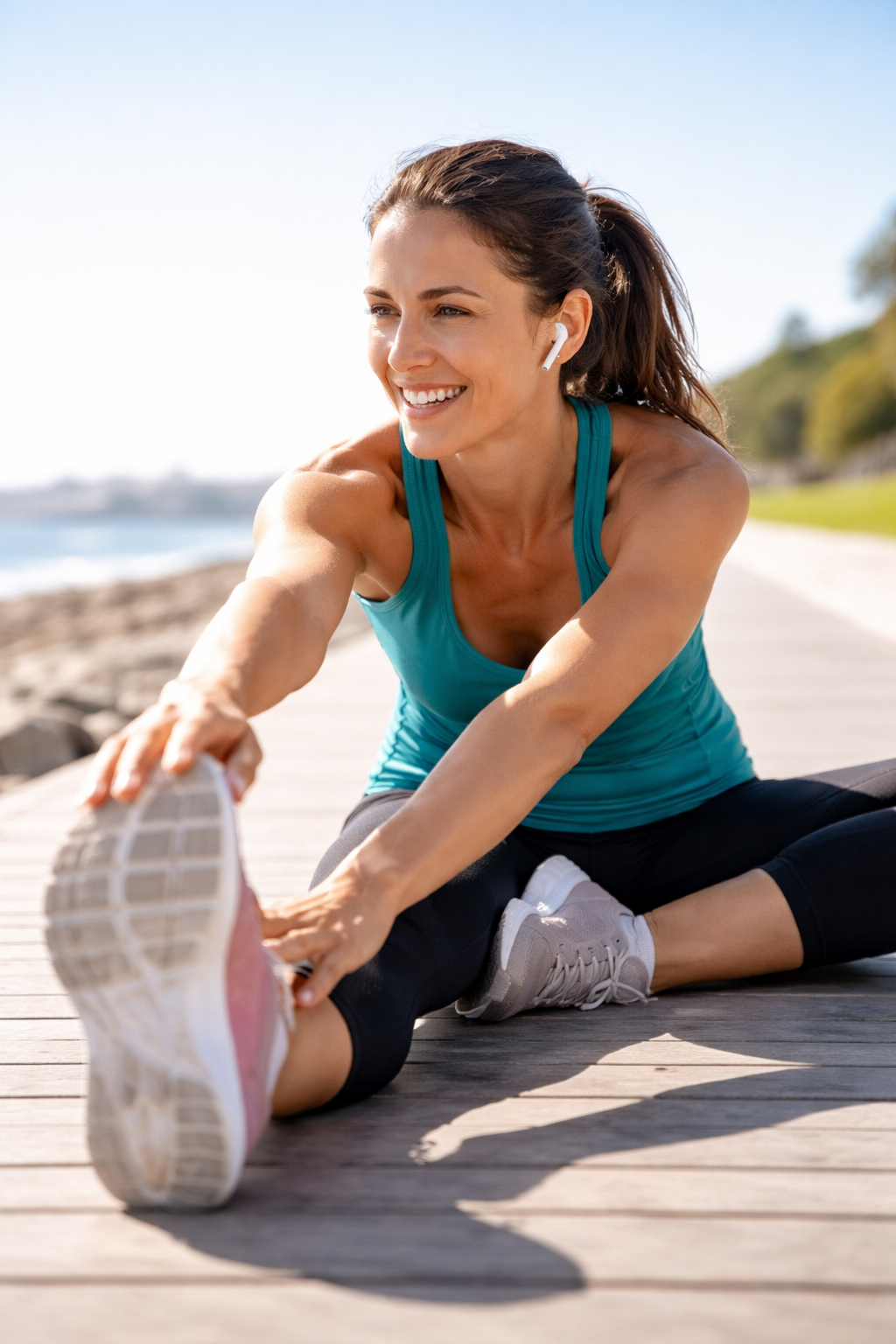
🏃♀️ Stretching in 2026: What Actually Helps (and What Doesn’t)
Stretching isn’t a cure-all, but it has its place. Discover what science really says about flexibility, stiffness, injury prevention, and how to use stretching effectively alongside strength and movement training.