

🏃♀️ Our Guide to the old side stitch
A sudden sharp pain under your ribs can turn an easy run into a struggle within seconds — the dreaded “side stitch.” While it feels intense, it’s usually harmless and more common than you think, especially in young or beginner runners.
The good news? Stitches aren’t random. They’re often linked to things like breathing patterns, posture, running intensity, and even what you’ve eaten beforehand. With a few simple tweaks — like improving breathing, easing into your pace, and timing meals better — you can dramatically reduce your chances of getting one.
Whether it’s your child heading into their first cross country race or you trying to enjoy a pain-free run, understanding the “why” behind a stitch is the first step to preventing it.
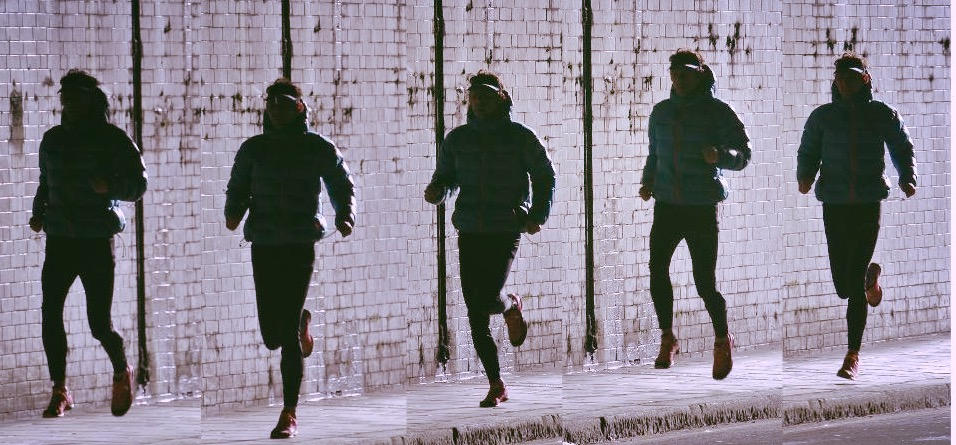
🏃♂️ Calf Injuries in Runners
Many runners experience a sudden calf “twinge” that stops a run in its tracks. While most people blame the visible calf muscle (the gastrocnemius), the real culprit is often the soleus—a deeper muscle that does the majority of the work during steady running.
Because traditional calf exercises mostly train the gastrocnemius, the soleus is frequently undertrained. This imbalance can increase the risk of calf tightness or strains, especially when training load increases.
By including bent-knee calf strengthening, monitoring soreness early, and managing running load, runners can significantly reduce their risk of calf injuries and stay consistent with training.

The single run that predicts running injuries
Daylight savings is here, and runners are hitting the footpaths — but so are running injuries. Research shows it’s not weekly mileage but your longest run that drives injury risk. Learn how to train smarter, recover stronger, and avoid setbacks.