
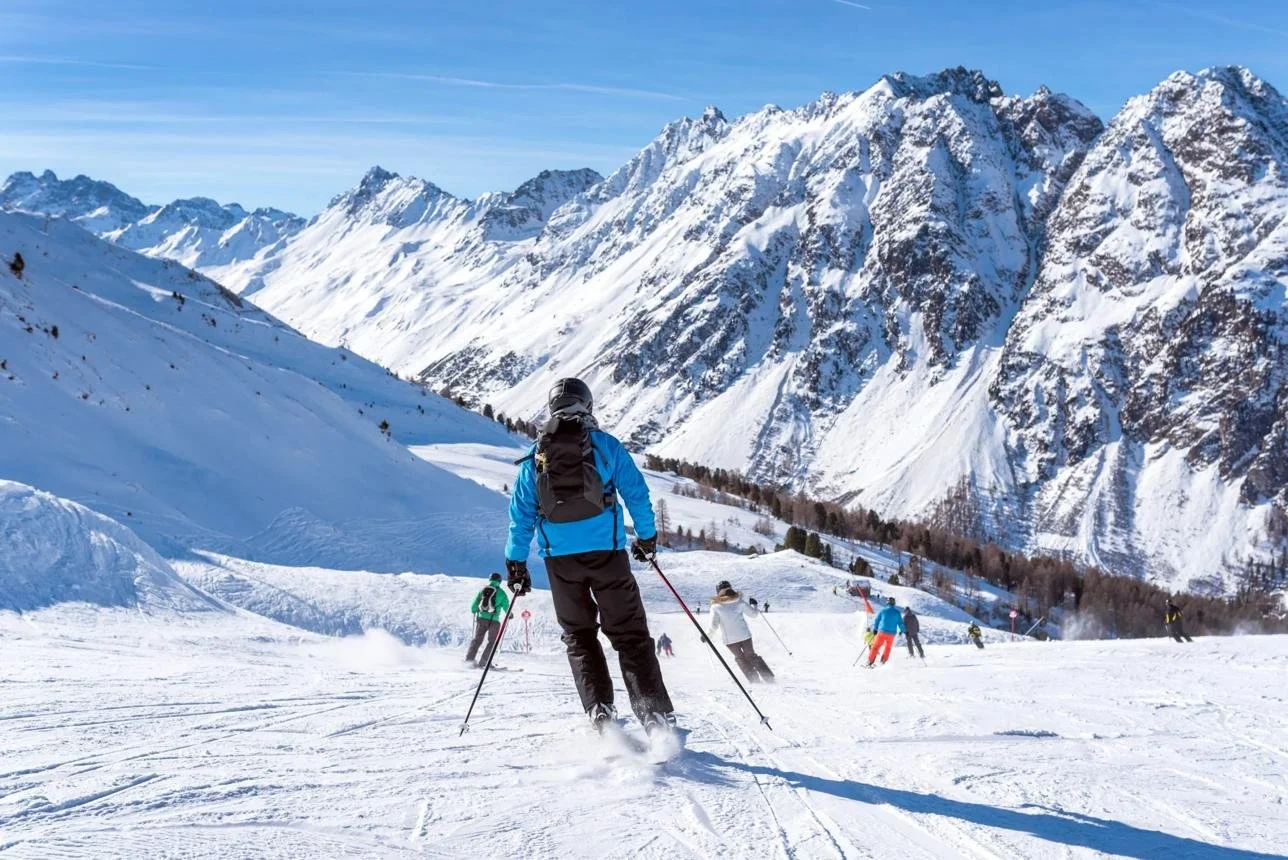
With winter well and truly here, many of us are counting down to a weekend on the slopes.
Whether you're heading to Ruapehu, Cardrona, The Remarkables or somewhere further afield, skiing and snowboarding are some of the highlights of the Kiwi winter.
But before you dust off your skis or snowboard, there is one question worth asking:
Is your body as ready as your booking confirmation says it is?
Every winter we see people return from an incredible ski holiday with a story that starts the same way:
"The first day was great... but by the afternoon my legs were gone."
Or:
"I was feeling good until one awkward turn."
The reality is that skiing and snowboarding are unlike almost any other activity we do during the year.
Being fit doesn't always mean you're ski fit
This surprises a lot of people.
You might run several times a week, train at the gym regularly or play social sport and still find the first day on the mountain incredibly demanding.
Why?
Because skiing asks your body to work in a completely different way.
Instead of short bursts of activity, you're spending hours repeatedly controlling your body downhill, absorbing bumps, changing direction, maintaining balance and reacting to constantly changing terrain.
Your quadriceps, glutes, calves and core are working almost continuously.
Even highly active people are often surprised by how quickly fatigue sets in.
Why injuries often happen later in the day
One thing we've noticed over the years is that injuries don't always happen because someone takes a major fall.
Often it's much simpler than that.
As your legs become tired:
Your balance isn't quite as sharp.
Your reactions slow slightly.
Your technique starts to change.
Your body has less capacity to absorb unexpected movements.
Those small changes can be enough to overload a knee, roll an ankle or strain a muscle.
Every ski season we help people recover from common snow sport injuries including:
Knee injuries
Ankle sprains
Calf and hamstring strains
Lower back pain
Shoulder injuries following falls
The good news is that many of these issues can be reduced by preparing your body before you head away.
Train for skiing—not just the gym
You don't need a complicated programme or hours in the gym.
A few weeks of targeted preparation can make a noticeable difference to how your body copes on the mountain.
Focus on four key areas:
1. Build strong, enduring legs
Skiing places huge demands on your legs, particularly your quadriceps and glutes.
Exercises such as:
Squats
Split squats
Wall sits
Step-ups
help build the strength and endurance needed for long downhill runs.
2. Improve single-leg control
Every ski turn requires your body to control movement on one leg while adapting to changing terrain.
Exercises such as:
Single-leg squats
Step-downs
Single-leg deadlifts
help improve the balance and control needed on the slopes.
3. Challenge your balance
Snow is unpredictable.
Your body constantly makes small adjustments to keep you upright and in control.
Simple exercises like:
Single-leg balance
Eyes closed balance drills
Stability exercises on uneven surfaces
can help improve your body's ability to react.
4. Add some power
Once you've developed a good strength base, controlled jumping and landing exercises can help prepare your muscles and joints for the faster, more dynamic movements skiing requires.
The goal isn't to become an elite skier before your holiday.
It's simply to arrive on day one with a body that's prepared—and still feel strong enough to enjoy the last run of the afternoon.
The little things matter too
Preparation doesn't stop when you reach the mountain.
A few simple habits can make a big difference:
Warm up before your first run instead of heading straight to the chairlift.
Stay hydrated throughout the day.
Make sure you eat enough to fuel your body.
Take breaks before fatigue completely sets in.
Listen to your body—sometimes the smartest decision is finishing one run earlier.
Remember, there is always another run tomorrow.
From our team to yours
Many of our physios enjoy skiing and snowboarding themselves, so we understand how frustrating it can be when an injury cuts a trip short.
Every winter we help patients prepare for their ski holidays, recover from snow sport injuries and return to the activities they love.
Whether you have a lingering niggle, are returning from an injury, or simply want some guidance before your next trip, our team would be happy to help.
Most importantly, we hope you have an incredible winter.
Enjoy the fresh air, the mountain views and the time with family and friends—and here's hoping your best stories from the snow are about the runs you conquered, not the injuries you picked up.
